Davenport, IA
Contact Us

When planning construction projects in Davenport, the proximity to the Mississippi River creates specific timing challenges that affect foundation work, exterior installations, and material delivery schedules. Spring flooding potential and elevated groundwater levels require contractors to adjust excavation methods and foundation curing times, particularly in properties near Riverdale and Credit Island areas where water tables sit higher than inland neighborhoods.
Midwest Complete Construction LLC adapts project schedules around Iowa's freeze-thaw cycles, which create concrete pouring restrictions from late November through March. The temperature swings between 15°F winter lows and 85°F summer highs demand specific material choices. Exterior trim and siding expand and contract differently here than in more temperate climates, making expansion gap calculations critical for preventing buckling and separation that becomes visible within the first year.
Basement waterproofing fails faster in Davenport than national averages due to the clay-heavy soil composition that retains moisture and expands against foundation walls. You'll notice horizontal cracks forming along mortar joints and vertical separation near window wells. These aren't cosmetic issues but indicators that hydrostatic pressure is overwhelming the existing drainage system. Interior sump pumps handle volume, but without exterior grading corrections and proper downspout extensions, water simply recirculates back toward the foundation.
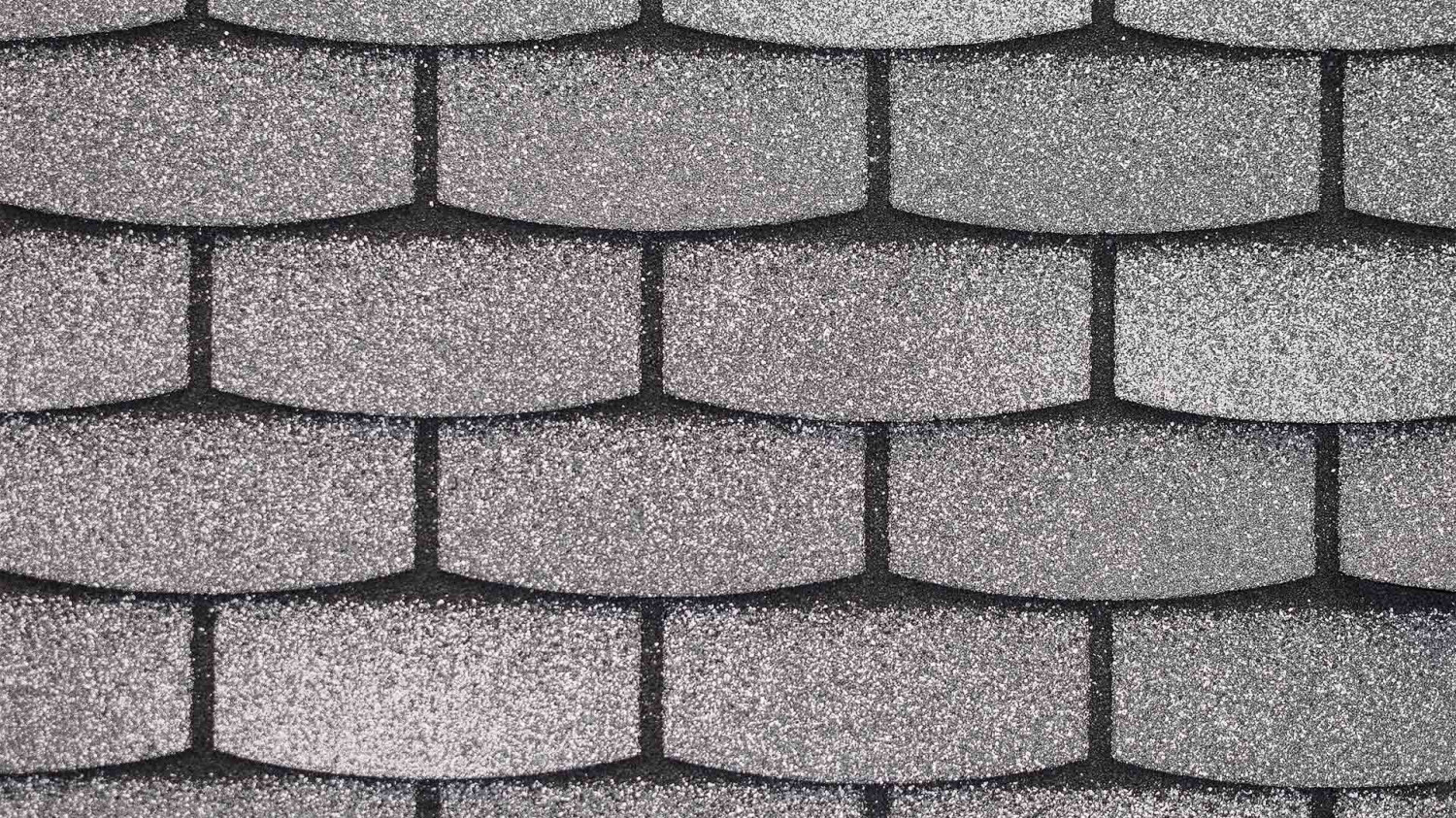
Roof decking deteriorates differently here because Iowa humidity levels average 70% to 75% during summer months, creating condensation in attic spaces that aren't adequately ventilated. The result is plywood delamination that isn't visible from ground level but becomes apparent when shingles start dimpling along the surface. By that point, the structural deck often requires replacement rather than an overlay. Proper ridge vent and soffit intake ratios prevent this progression, extending roof system life from 15 years to more than 25 years.
If you're noticing settlement cracks, moisture intrusion, or exterior deterioration in your Davenport property, addressing the underlying cause now prevents compounding damage. Get in touch to discuss construction solutions designed for Quad Cities conditions.
Older homes throughout Davenport's west side and near Brady Street present specific renovation considerations that newer construction doesn't encounter. Understanding these factors helps you identify which issues require immediate attention versus cosmetic updates.